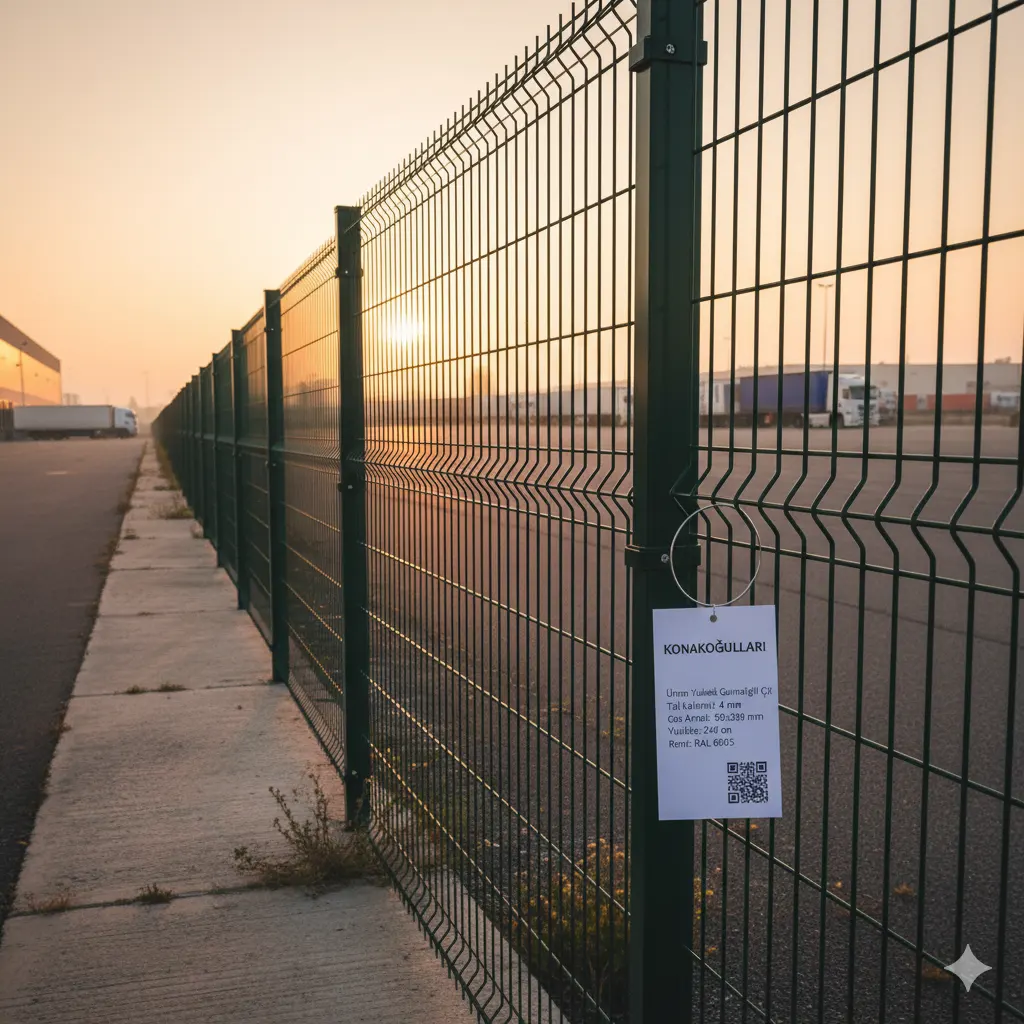
Land Fencing: A Guide to Security, Boundary Definition, and Value Addition
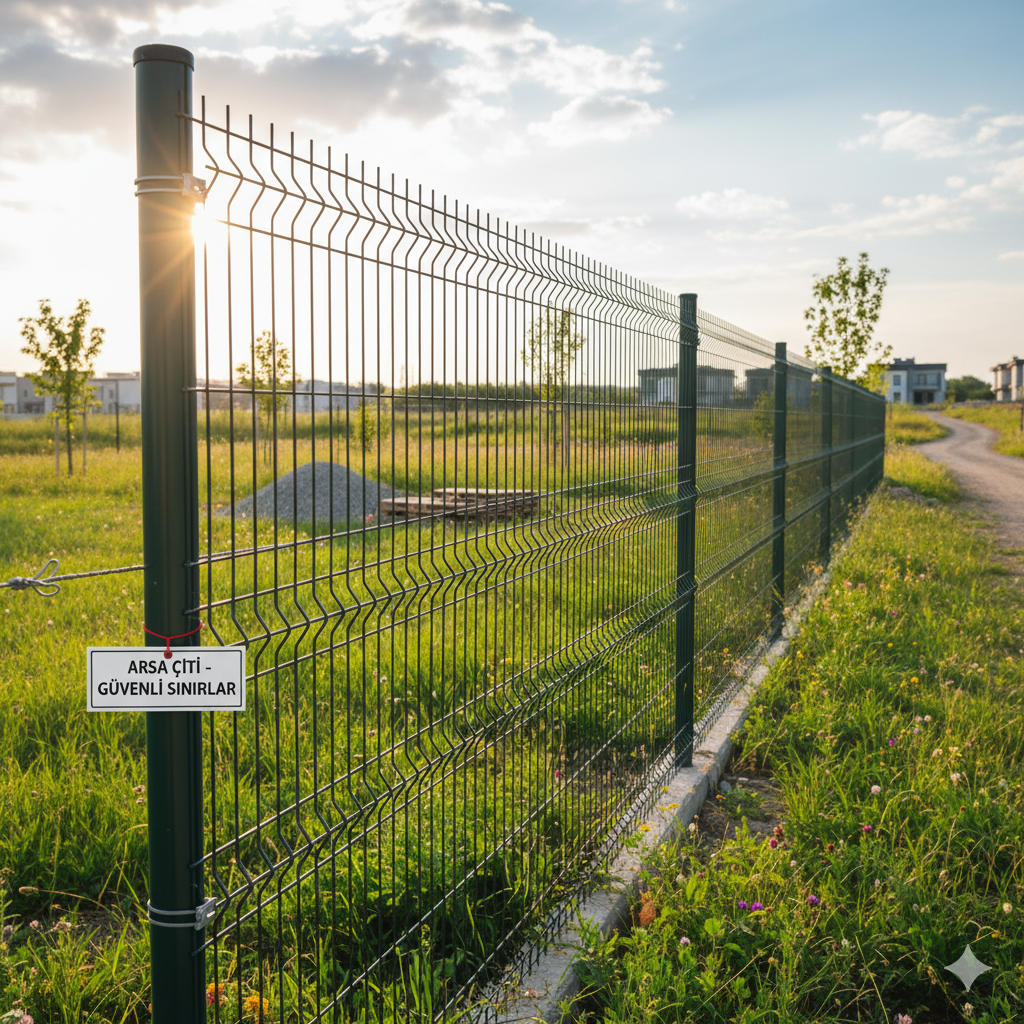
Land Fencing: A Guide to Security, Boundary Definition, and Value Addition
1 October 2025
Land Fencing: A Guide to Security, Boundary Definition, and Value Addition
For property owners, land fencing is not just a physical barrier but also a critical investment that defines property boundaries, ensures security, and increases the value of the land. Whether you own a vacant lot or are starting a construction project, the need for a land fence is inevitable.
So, how do you choose the right land fence? What materials are ideal, and what should you pay attention to during installation? Here are answers to all these questions and a comprehensive guide.
Why Do You Need a Land Fence?
Land fences serve multiple functions:
- Boundary Definition: Clearly indicates the physical boundaries of a property. This is vital for preventing potential disputes with neighboring plots.
- Security: Deters unauthorized access, theft, and illegal use. Material security is crucial for properties under construction, while protecting vacant lots is equally important.
- Value Addition: A well-maintained and aesthetically pleasing land fence enhances the overall appearance of your property and increases its appeal to potential buyers.
- Control: Creates a controllable area, especially to prevent animal entry or ensure children's safety.
Types of Land Fences and Material Options
Land fencing does not come down to a single solution. There are various material and design options available depending on your needs, budget, and the characteristics of your land:
- Wire Mesh Fences: They are the most common and economical solution. 2.5 mm, 3.0 mm, or 3.5 mm galvanized wire meshes offer resistance to rust. They are quickly installed, easy to maintain, and available in various heights. They typically come in galvanized or PVC-coated options.
- Panel Fences: Provide a more aesthetic, sturdy, and modern appearance. Made from welded steel panels and usually coated with electrostatic paint, they are ideal for areas requiring high security or an improved aesthetic look.
- Concrete Pole Wire Fences: An economical and durable solution, especially for agricultural lands and long stretches. Galvanized wires are stretched and mounted to concrete poles.
- Wooden Fences: Ideal for those seeking a natural and aesthetic appearance. However, they require regular maintenance and may have a shorter lifespan compared to other fence types.
Factors to Consider When Choosing the Right Land Fence
When selecting a land fence, you should consider the following factors:
- Budget: It is the most important factor determining the cost of your project. Wire mesh fences are generally the most cost-effective starting point.
- Security Need: Are you looking for high security or just boundary definition? The answer to this question will affect the type of fence you choose (e.g., wire mesh vs. panel fence).
- Aesthetic Preference: If you want your fence to contribute to the overall appearance of your land, you might consider more modern and aesthetic options like panel fences or PVC-coated wire meshes.
- Durability and Maintenance: It's important to consider how well the material you choose withstands outdoor weather conditions (rain, snow, sun) and how often it requires maintenance. Galvanized or PVC-coated products generally require less upkeep.
- Local Regulations: Some regions may have local regulations regarding fence height, material type, or appearance. It is important to get information from the relevant municipality before starting fence construction.
With the right material selection and professional installation of your land fence project, you can add value to your property, ensure its security, and enjoy a seamless usage experience for many years.
For the most suitable fencing solutions tailored to your land and current price quotes, contact our expert team.
0 Likes
Product Images
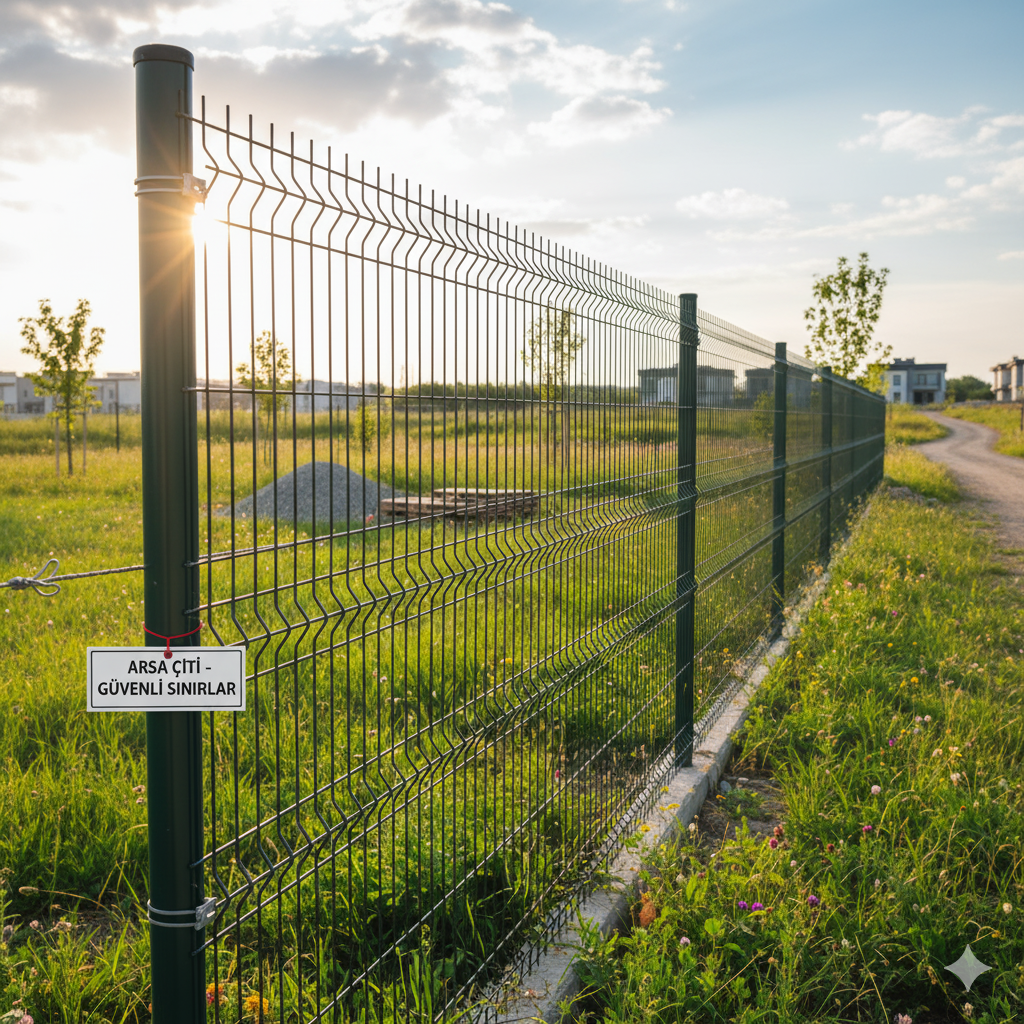

Konakoğulları Üretim Ekibi
1972'den beri Aksaray Organize Sanayi Bölgesi'ndeki tesisimizde panel çit, tel örgü ve çit sistemleri üretiyoruz. İçeriklerimiz üretim sahasındaki deneyimimizle hazırlanır.
Hakkımızda